

Dichloromethane: A Versatile Solvent Driving Chemical and Environmental Industry Development
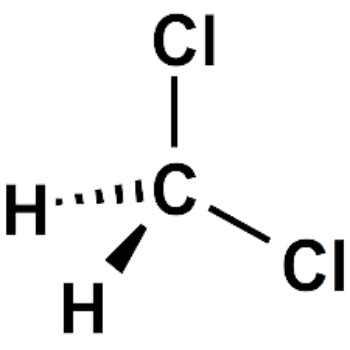
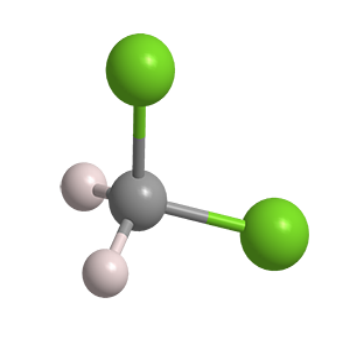
Dichloromethane (DCM), as an important organic solvent, is widely used in various industries, including chemicals, pharmaceuticals, coatings, and cleaning. With the increasing environmental regulations, the application and production of dichloromethane are undergoing new changes. Today, we will explore the diverse uses of dichloromethane, its environmental impact, and future development trends.
Wide Applications of Dichloromethane
Dichloromethane is a colorless, volatile liquid with strong dissolving ability, making it widely used in various industrial processes. Here are some of the main application areas of dichloromethane:
-
Solvent Applications
As a solvent, dichloromethane is commonly used in chemical reactions, particularly in extraction and separation processes. It is used as a solvent in organic synthesis, dye manufacturing, oil extraction, and other processes, effectively dissolving a variety of chemical substances. -
Pharmaceutical Industry
In the pharmaceutical industry, dichloromethane plays a key role in drug extraction, purification, and formulation processes. Due to its high solubility, it helps extract active ingredients from natural plants, making it essential in drug production and health product manufacturing. -
Coatings and Cleaning Industry
Due to its low volatility, dichloromethane is an important solvent in coatings, cleaning agents, and adhesives. In paint production, it helps adjust the fluidity and thickness of coatings, and in the cleaning industry, it is used to remove oil and other stubborn contaminants effectively. -
Metal Processing and Electronic Cleaning
Dichloromethane is used in metal processing to remove dirt and grease from metal surfaces. It is also indispensable in cleaning precision electronic components, especially in removing solder residues and oxides.
Environmental Protection and Safety: Challenges and Responses of Dichloromethane
Although dichloromethane has widespread applications, its potential hazards to the environment and human health cannot be ignored. Dichloromethane is considered a volatile organic compound (VOC), which, if not properly handled, could lead to air and water pollution. Therefore, environmental regulations in various regions have imposed strict restrictions on its use and emissions.
Environmental Impact
Dichloromethane has certain volatility, and improper discharge can damage the ozone layer in the atmosphere and even affect global climate change. To address this issue, many countries and regions have restricted its use and encouraged the development of alternative solvents.
Health Risks
Long-term exposure to high concentrations of dichloromethane may cause harm to human health, such as respiratory and nervous system damage. As a result, industries must enhance safety protection measures for employees and adopt safer production processes.
Future Development: Trends of Green Chemicals as Alternatives
With stricter environmental regulations, the chemical industry is seeking greener and safer alternative solvents. While dichloromethane still plays an irreplaceable role, various eco-friendly solvents have emerged on the market, gradually becoming preferred alternatives. These new solvents not only have lower toxicity and volatility but also provide comparable performance to dichloromethane in many applications.
Green Development Direction
Conclusion
Dichloromethane, as a versatile solvent, plays an important role in various industries. However, with increasingly stringent environmental protection regulations, how to reduce its impact on the environment and human health while maintaining its effectiveness in applications will be a key challenge for the industry's development. Shake Chemical Co., Ltd. will continue to focus on the environmental and safety issues of dichloromethane, striving to provide customers with greener and safer chemical solutions, contributing to the sustainable development of the industry.