n-Heptane is a colorless, volatile liquid alkane with stable chemical properties, and it has extensive and important applications in various industrial fields and scientific research activities. The following will detail its various applications.
Application of n-Heptane as a Solvent in Chemical Production
n-Heptane is an excellent organic solvent. Due to its good dissolving ability for organic substances such as oils, waxes, and resins, it is widely used in chemical production. In the production process of chemical products such as coatings, adhesives, and rubber, it is often used as a solvent to help dissolve organic components in raw materials, make the components uniformly mixed, and facilitate subsequent processing and forming. For example, in the production of some coatings, n-heptane can dissolve film-forming substances and pigments in the coatings, ensuring that the coatings have good fluidity and coatability.
Relationship Between n-Heptane and Gasoline Octane Number Determination in the Petroleum Industry
In the petroleum industry, n-heptane is an important reference substance for determining the octane number of gasoline. The octane number is an important indicator to measure the anti-knock performance of gasoline, and the octane number of n-heptane is defined as 0. By mixing it with isooctane (with an octane number defined as 100) in different proportions, standard fuels with different octane numbers can be obtained. By comparing the gasoline to be tested with these standard fuels, the octane number of the gasoline to be tested can be determined, which is of great significance for the production, quality control, and classification of gasoline.
Manifestation of n-Heptane's Uses in Laboratory Research
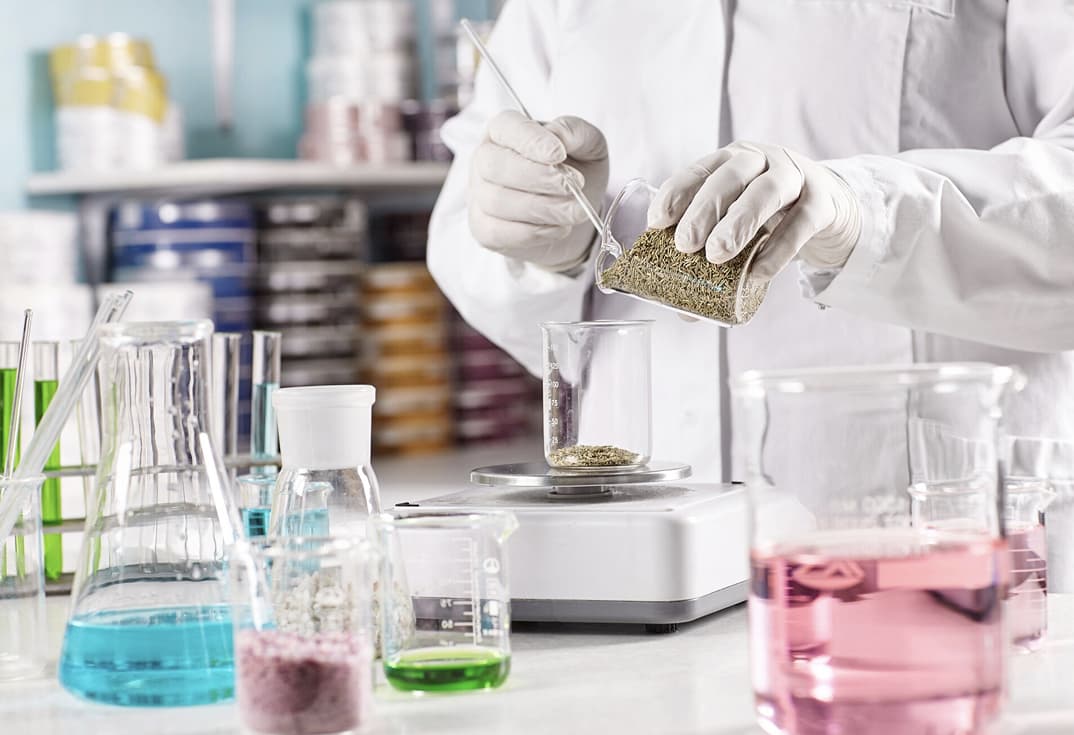
In laboratories, n-heptane is often used as a reaction medium and extractant in organic synthesis. Due to its relatively stable chemical properties and low reactivity with other substances, it can serve as a solvent in many organic chemical reactions, providing a suitable environment for the reactions and promoting their smooth progress. At the same time, using its dissolution characteristics for specific organic substances, it can also be used to extract target substances from mixtures, improving the accuracy and efficiency of experiments. In addition, n-heptane can also be used as a mobile phase in some chromatographic analysis experiments.
Application of n-Heptane in the Coating and Ink Industry
In the production of coatings and inks, n-heptane can be used as a diluent to adjust the viscosity of coatings and inks to make them suitable for construction or printing. It can volatilize quickly and leave no residues after the coatings or inks dry, ensuring the quality of the coating layers of coatings and inks. Meanwhile, its good solubility also helps to uniformly disperse the components in coatings and inks, improving the performance of the products.
Use Value of n-Heptane in the Rubber Industry
In the rubber industry, n-heptane can be used for the dissolution and processing of rubber. It can dissolve rubber raw materials, making them into rubber solutions with certain fluidity, which is convenient for subsequent forming processes, such as the production of rubber products and adhesives. In addition, during the vulcanization process of rubber, n-heptane can also play a certain auxiliary role, helping to control reaction conditions and improve the quality of rubber products.
Application Scenarios of n-Heptane in the Pharmaceutical Industry
In the pharmaceutical industry, n-heptane can be used as an extractant for the extraction of some medicinal ingredients. Some fat-soluble active ingredients in plants, such as certain volatile oils and steroid compounds, can be extracted from raw materials using the dissolution characteristics of n-heptane, and then used in drug production after further purification. At the same time, in the synthesis process of some pharmaceutical intermediates, n-heptane can also be used as a reaction solvent to provide a stable environment for the reaction, facilitating the smooth preparation of pharmaceutical intermediates and indirectly serving drug research and development and production.